Is Thanksgiving Eve MACtion feasible?
The NFL has started to encroach more and more on college football in the latter part of the schedule, especially during the holidays. Should the MAC try to fight back?

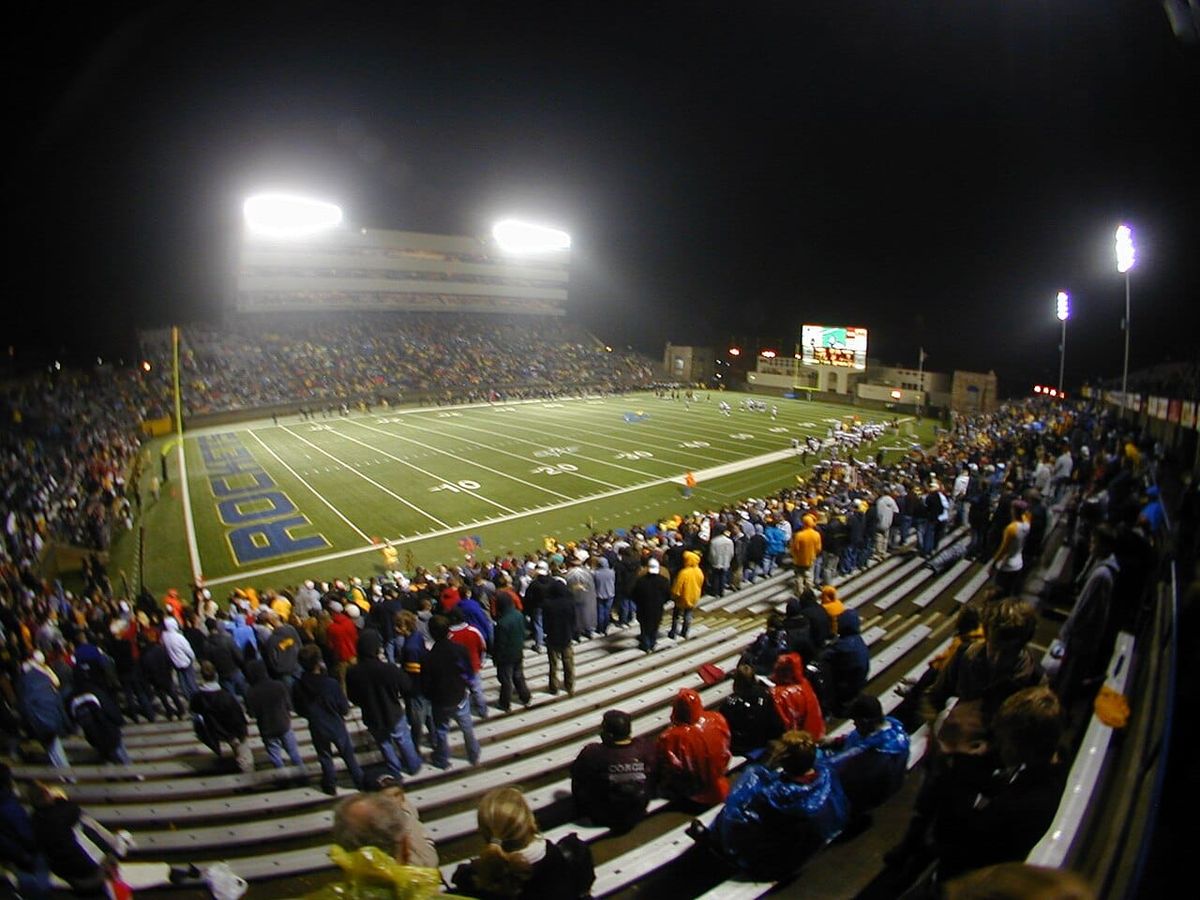
The Mid-American Conference has long been the undisputed king of weeknight college football.
What turned into an arrangement to bring the conference more exposure in the early 2000s became a model that helped other conferences increase their survivability in an increasingly fractured broadcasting market. There was no day on the calendar in November that the conference avoided, except for one.
The NFL’s increasingly hostile takeover of unconventional windows has continued apace over the past few years, and this week highlighted just how far The Shield has gone, with gradual leaks of international games and weekday/holiday contests coinciding with the league's broadcast partners all meeting with advertisers for "Upfront Week."
Part of these pitches to prospective ad-buyers was the creation of a Thanksgiving Eve game. Yes, you're reading that right: a regular season game the night before Thanksgiving– just because. No COVID-19 postponement or international travel here, just a solid money grab on a fall holiday already inundated with TV inventory.
They say imitation is the sincerest form of flattery, so the MAC can take solace in that. However, long-time followers of the conference may express lament and even frustration over the NFL’s takeover of the MAC’s TV window.
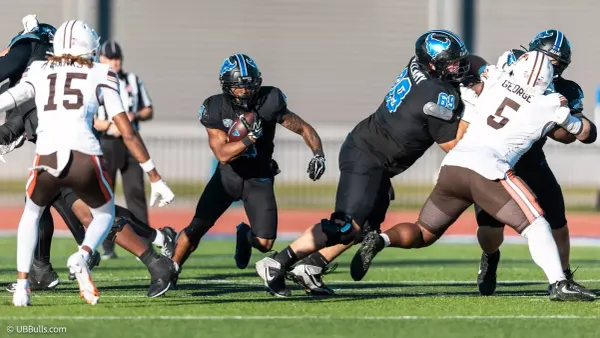
Surprisingly, the MAC may have left Thanksgiving Eve for the taking for the past two decades. 12 years and four presidential administrations ago was the last time the MAC played a game on Thanksgiving Eve. The legendary Jordan Lynch ran for 161 yards and three touchdowns in a 35-17 Northern Illinois win over Toledo.
Fast forward to this offseason, and the NFL is reaching into new broadcast frontiers once again. The NFL made its foray into Black Friday, which has traditionally marked the final games of the MAC season, back in 2023, and now the league will bookend Thanksgiving to create a three-day festival for the league. Clearly, there had to be some market for football on Thanksgiving Eve for the NFL to take such a high-risk gamble.
The MAC is at a point of no return now that the NFL is beating them at their own game. The MAC’s lack of creative thinking is even more upsetting, considering the MAC’s success with another game tied to a major holiday.
For years, the Motor City/Quick Lane Bowl took advantage of American behavior patterns around the Christmas holiday. The game thrived for decades on the day after Christmas, creating easy television content for sports fans seeking refuge from hectic holiday seasons.
Where was this ingenuity on Thanksgiving Eve?
Many Americans spend their Thanksgiving Eve traveling during the day and hitting the bars to catch up with old friends by night. Imagine the exposure and tradition the MAC could have built by being the only football game on televisions in sports bars and living rooms across the country.
Last season, the MAC scheduled two games for Tuesday, Nov. 25th, with UMass/Bowling Green at 3:30 p.m. Eastern time, followed by Western Michigan/Eastern Michigan following at 6:30 p.m. In retrospect, one of those games could have been a standalone Thanksgiving Eve event for the conference to build on.
Now, the NFL gets to create its own tradition, while the MAC remains an afterthought during Thanksgiving week– even as the league plays multiple Black Friday games and games on Tuesday.
Of course, one could look at this issue and say the MAC’s failure to take advantage of Thanksgiving Eve may not even be a missed opportunity at all. The question of "do weeknight games benefit the conference?" has raged in MAC circles for the better part of the decade now.
The NIU/Toledo game which marked the MAC's first foray into Thanksgiving Eve was at a time where weeknight games were looked at more fondly. The situation has changed in recent years, with sentiment shifting to preserving rivalries for the weekend.
It's very likely the league's reticence to try again stems from problems making the schedule fair and equitable for all member conferences, as it would require shifting games around. Such changes during the holiday season can cause stress to staffs, student-athletes and local fans alike. The league experimented twice with the concept (2005 and 2014) and obviously decided it was not worth the squeeze.
There is also anxiety over a new media deal in the air, as the MAC goes back to the table this summer to work with potential media partners. ESPN, their current primary partner, recently bought into the NFL Network, with the league now owning 10 percent of the company. There may not be incentive nowadays to conflict or fight the NFL for views with unorthodox scheduling as there may have been in the past.
Nonetheless, the league's punting on Thanksgiving Eve allowed the NFL to swoop in and give the overlooked day credibility in the football world. With this context, it is fair to question if the MAC’s resistance to Thanksgiving Eve will hamper their ability to attract fans.